

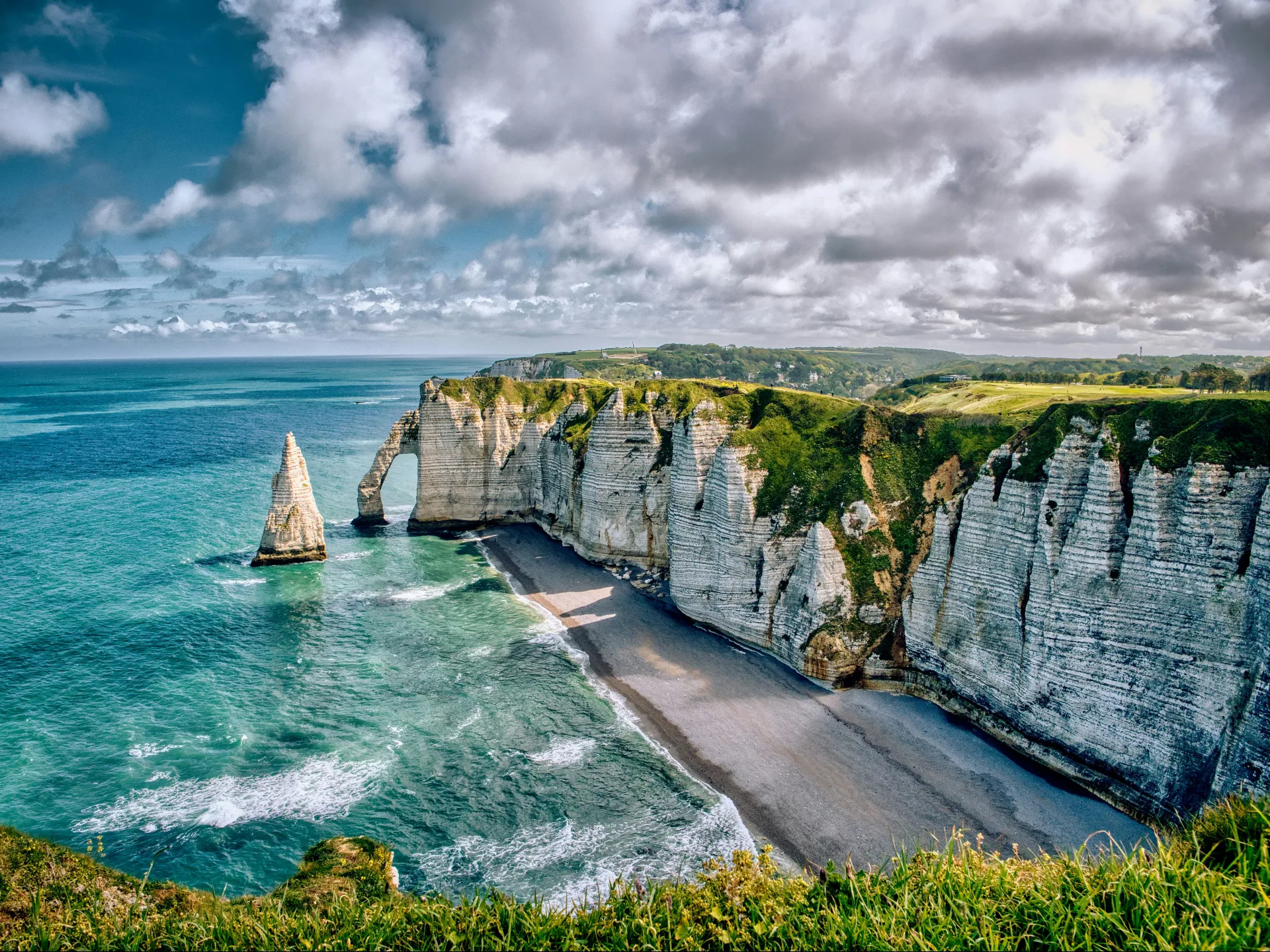
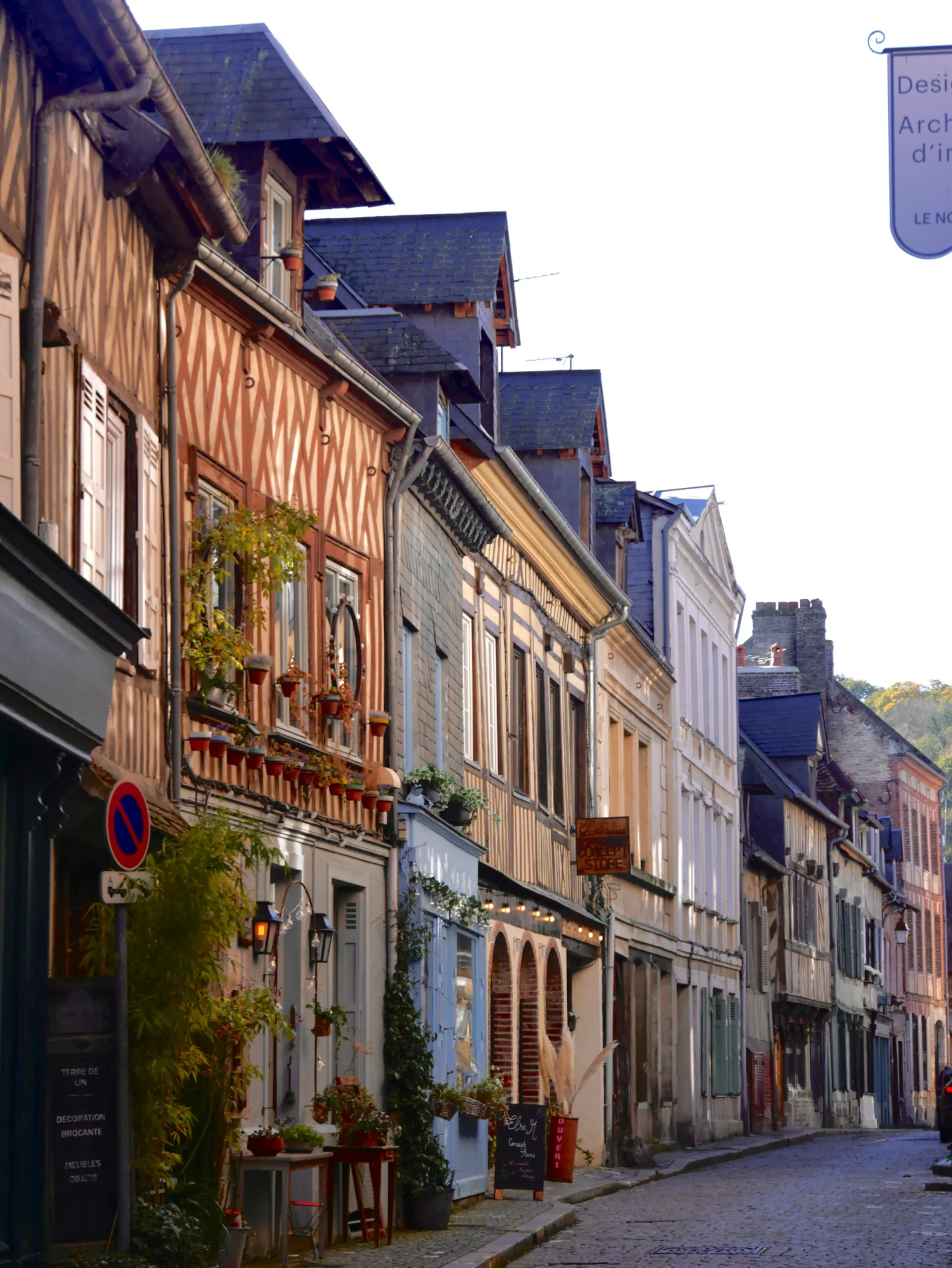
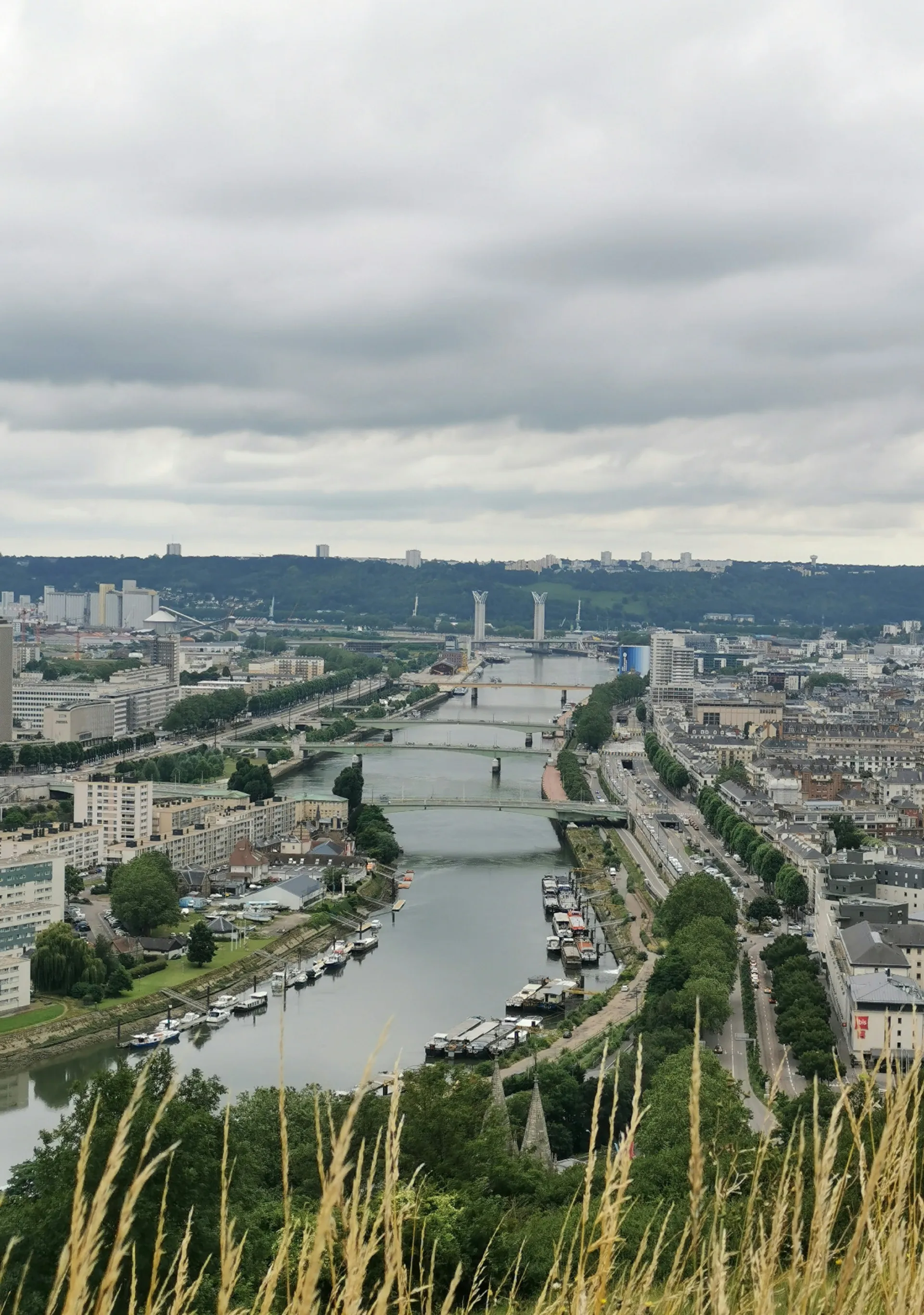
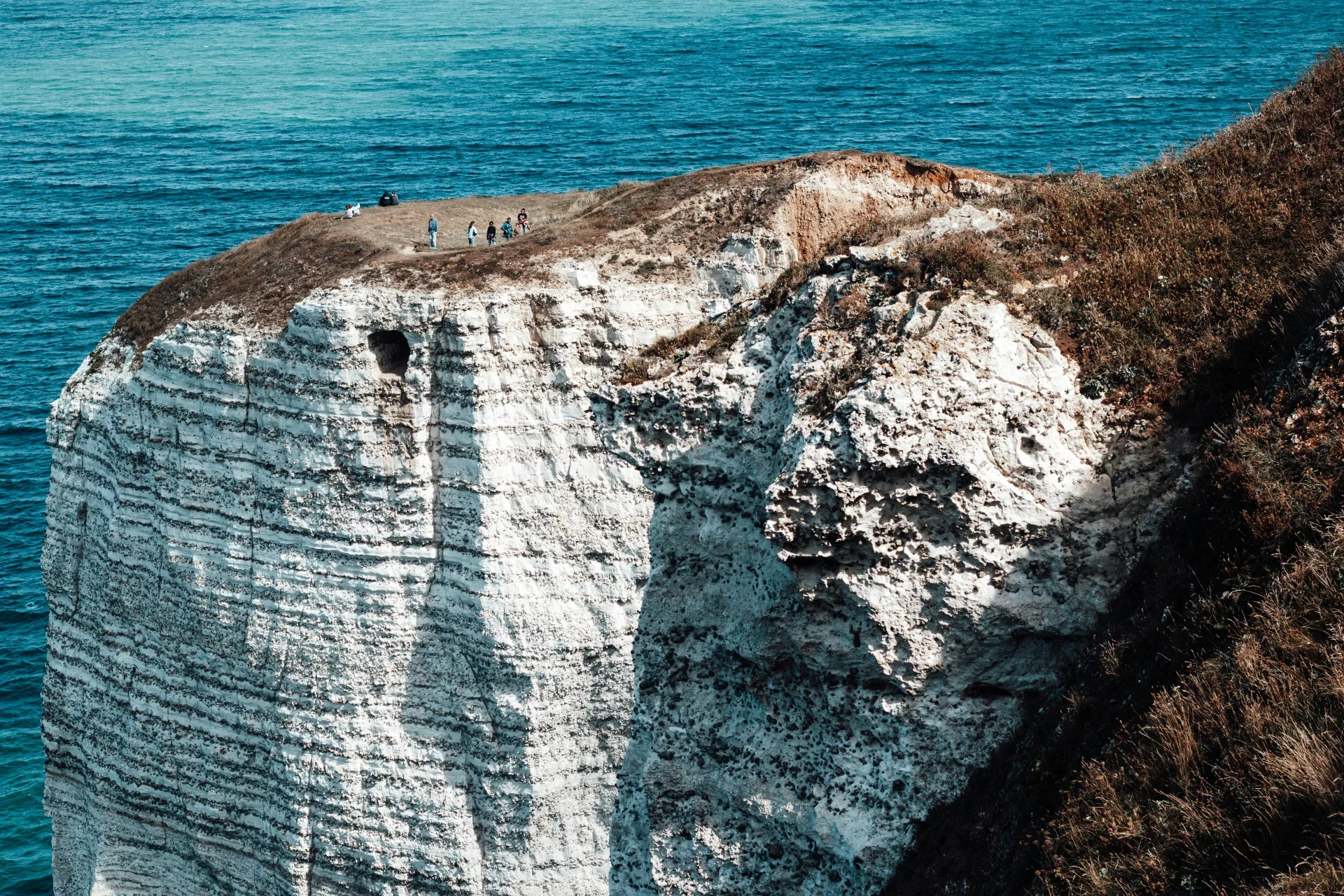
Normandy... White chalk cliffs, a seashore, lush green landscapes, quaint villages with picturesque fairway houses and chapels. This is a region with a rich history and distinctive culture.
A trip to Normandy will be a true delight for lovers of history, art, and gastronomy. After all, it is here that the most famous French cheese, Camembert, was born, as well as the equally famous Livarot, heart-shaped Neufchâtel, and Pont l'Eveque. It is here that the delicious apple drinks cider, pomme, and Calvados are produced, and here are the freshest seafood: oysters, scallops, mussels, crabs, langoustines... And butter like that of Normandy cannot be found anywhere else in France. The region is rich in numerous castles, whose history dates back to the Middle Ages.
The stunning natural beauty of Normandy inspired many Impressionist masterpieces. Discover this wonderful corner of France for yourself!
We mark the main stages of the tour, but the timing and points of interest are at the guide's discretion:
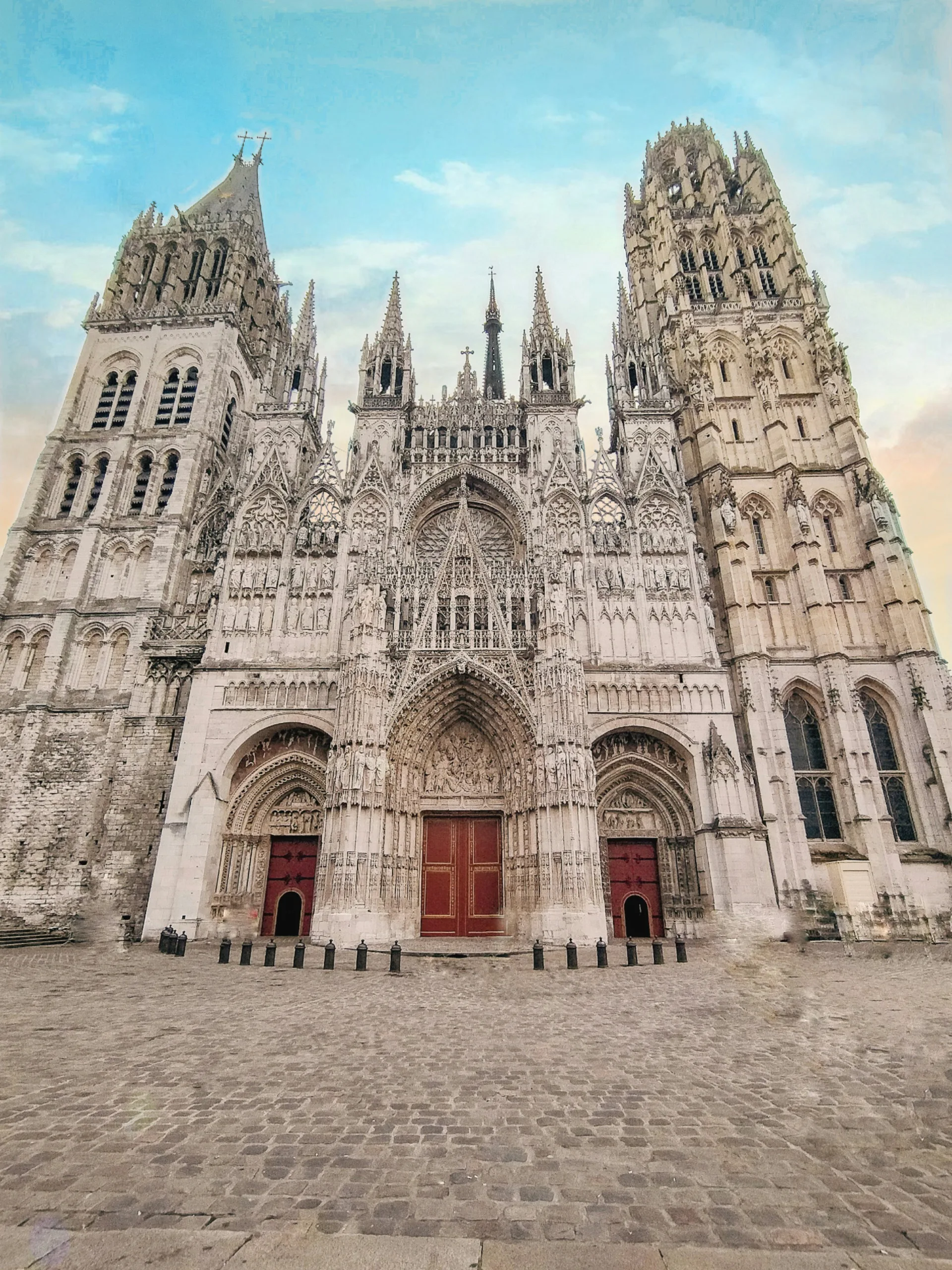
The famous Gothic cathedral (external or internal visit) was the tallest building in the world from 1876 to 1880, reaching a height of 151 meters, before the title was later taken by Cologne Cathedral.
Many artists, including Claude Monet and Camille Pissarro, depicted the cathedral in their paintings.
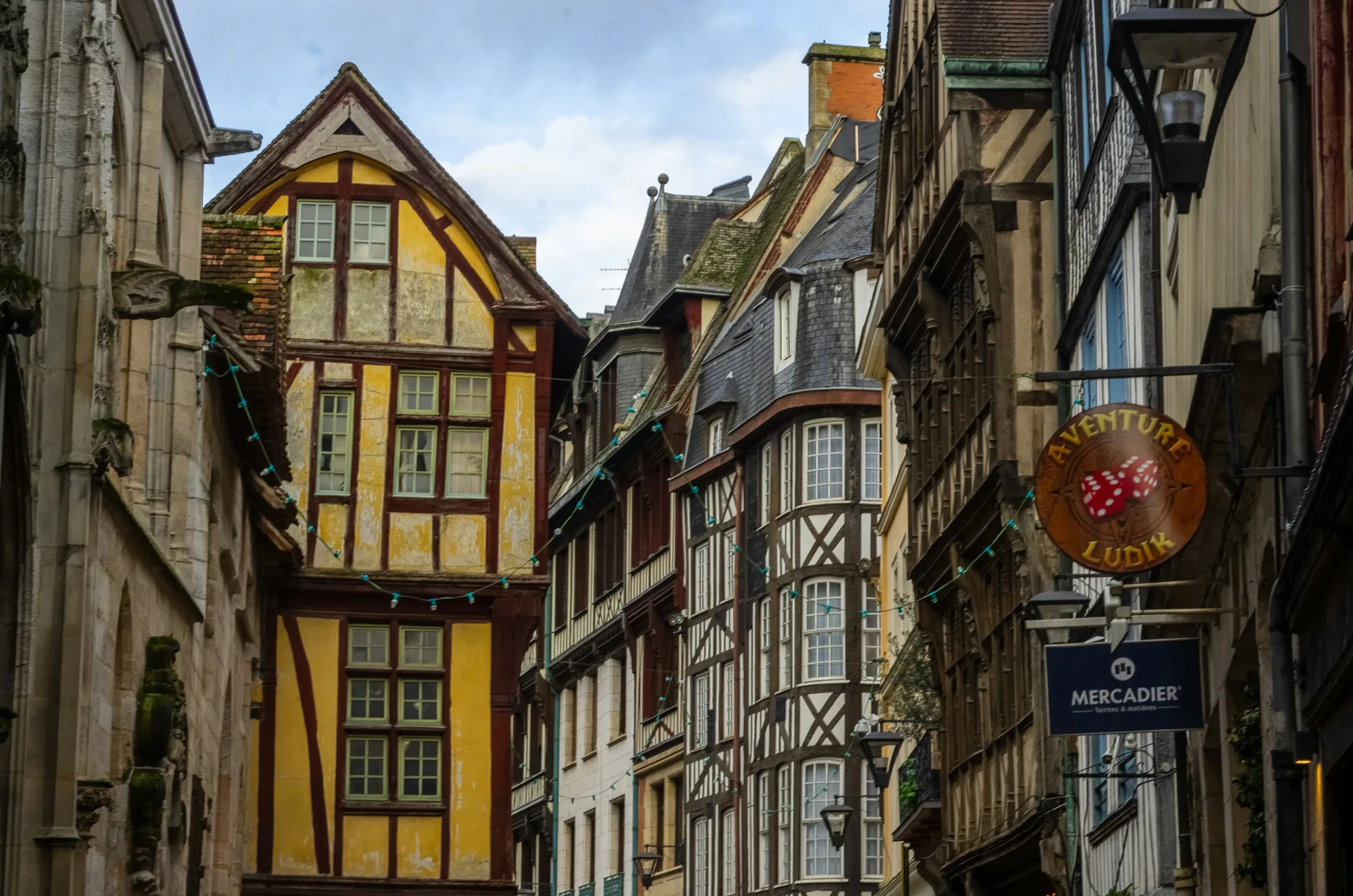
The Old Market Square of Rouen (Place du Vieux-Marché) is the site where Joan of Arc was executed. The square is surrounded by elegant half-timbered houses.
In contrast to the historic buildings stands the modern Church of Saint Joan of Arc, whose triangular roof symbolizes the flames of the stake on which the Maid of Orléans was burned.
The square is also home to La Couronne, a restaurant that has been operating since 1345.
The Rouen Palace of Justice (external visit) is an excellent example of late Gothic architecture, often referred to as Flamboyant Gothic.
The building dates back to the early 16th century.
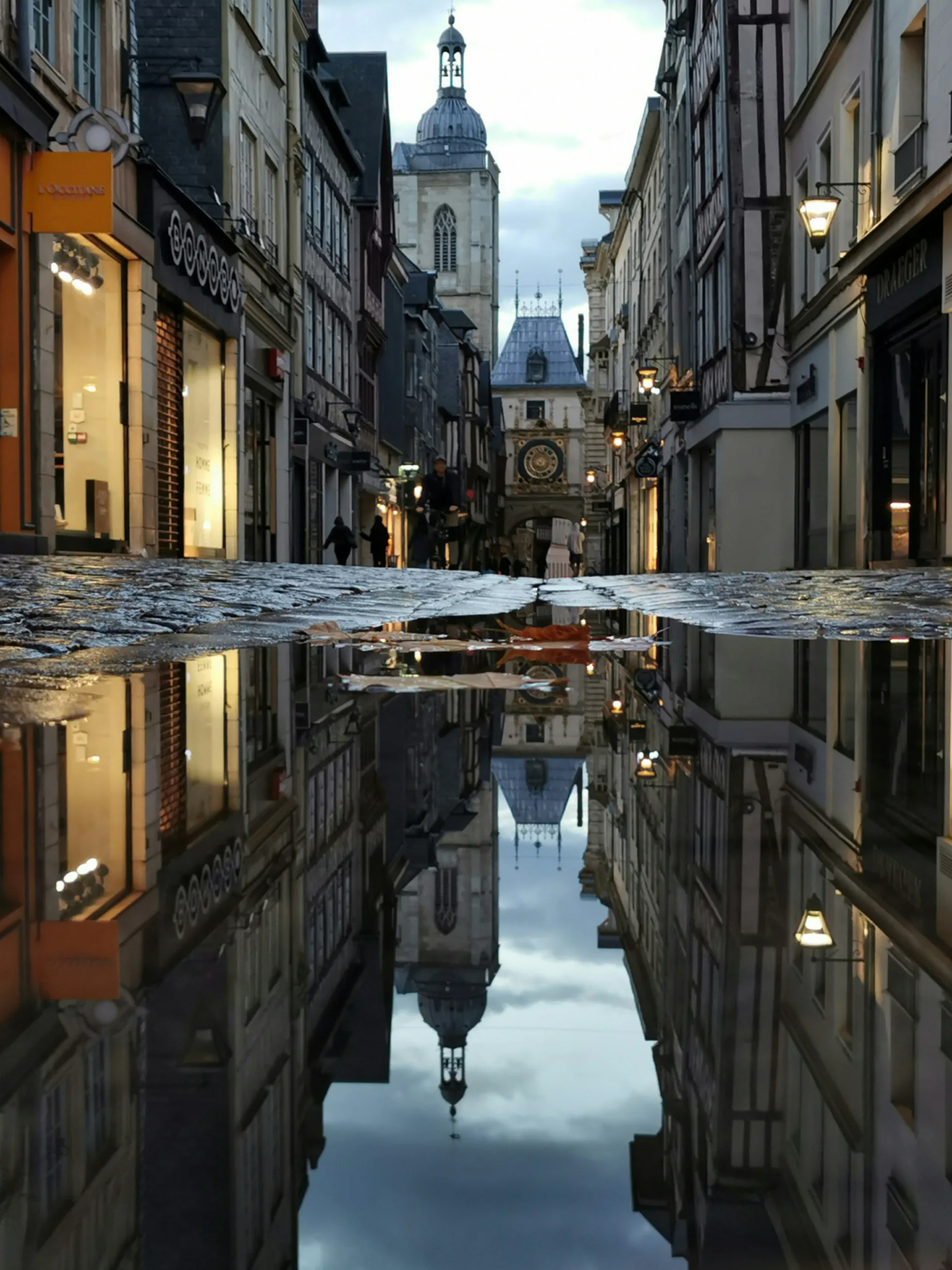
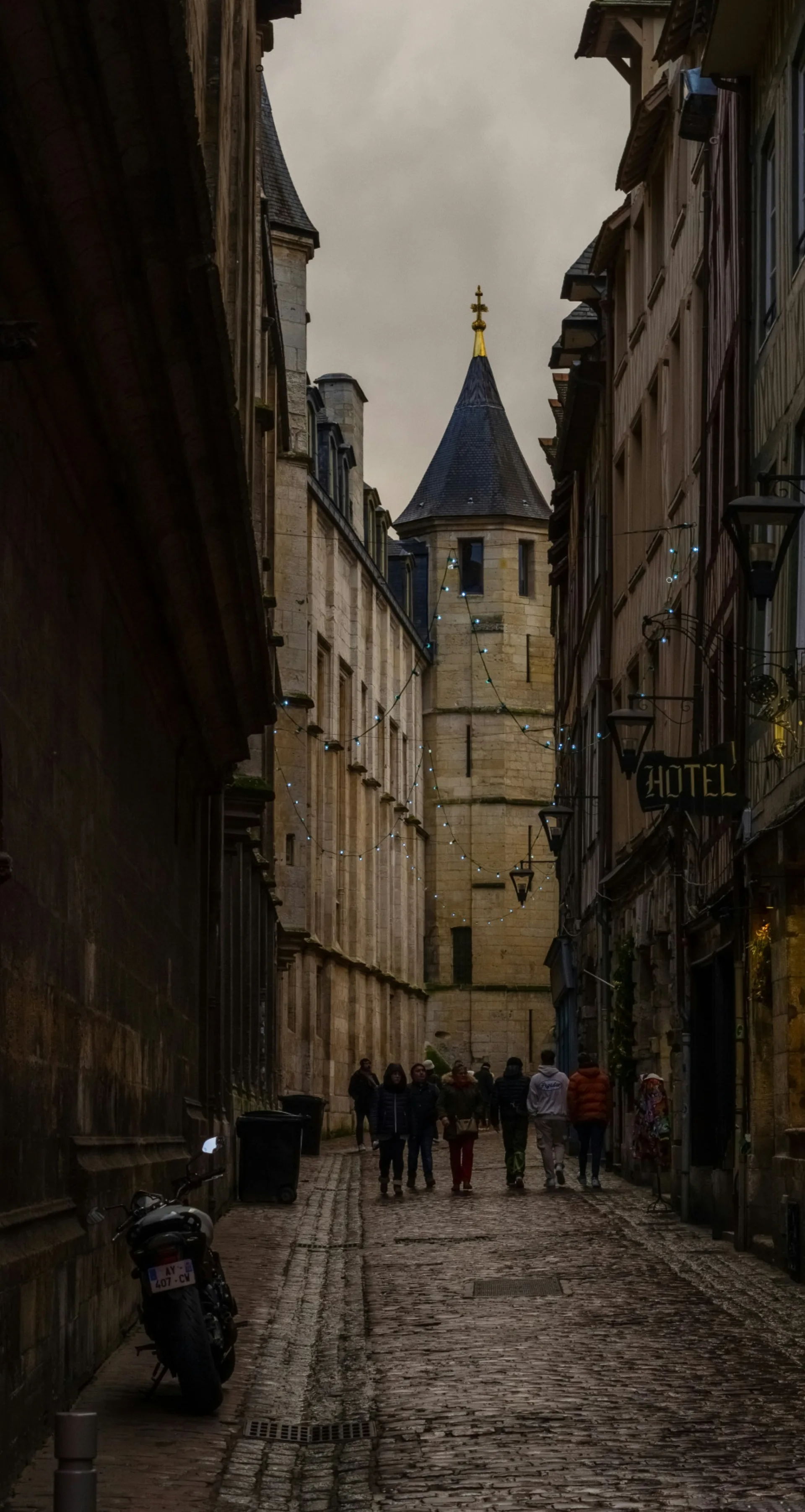
These impressive 14th-century astronomical clocks are located on a stone arch tower along the city’s main street leading to the market square.
What makes them unique is that, in addition to telling the time, they also display astronomical information. The phases of the Moon can be seen on a silver sphere above the dial, while the days of the week are shown below.
This information was particularly important for medieval sailors and farmers.
In 1905, landscape painter Auguste Lecanu from nearby Fécamp and the famous actress Madame Thébault planted the first tree on the Amont cliff, marking the beginning of what would become the gardens.
Today the park consists of seven themed gardens united by a concept inspired by Normandy, its history and landscapes.
The topiary compositions reflect the movement of nature: the curves of the plants resemble ocean waves and gusts of wind. It is also a perfect place for stunning photos overlooking the cliffs, the sea and Étretat.
Lunch in one of the local restaurants where you can enjoy freshly caught oysters, traditional Norman dishes and perhaps a glass of aromatic Calvados.
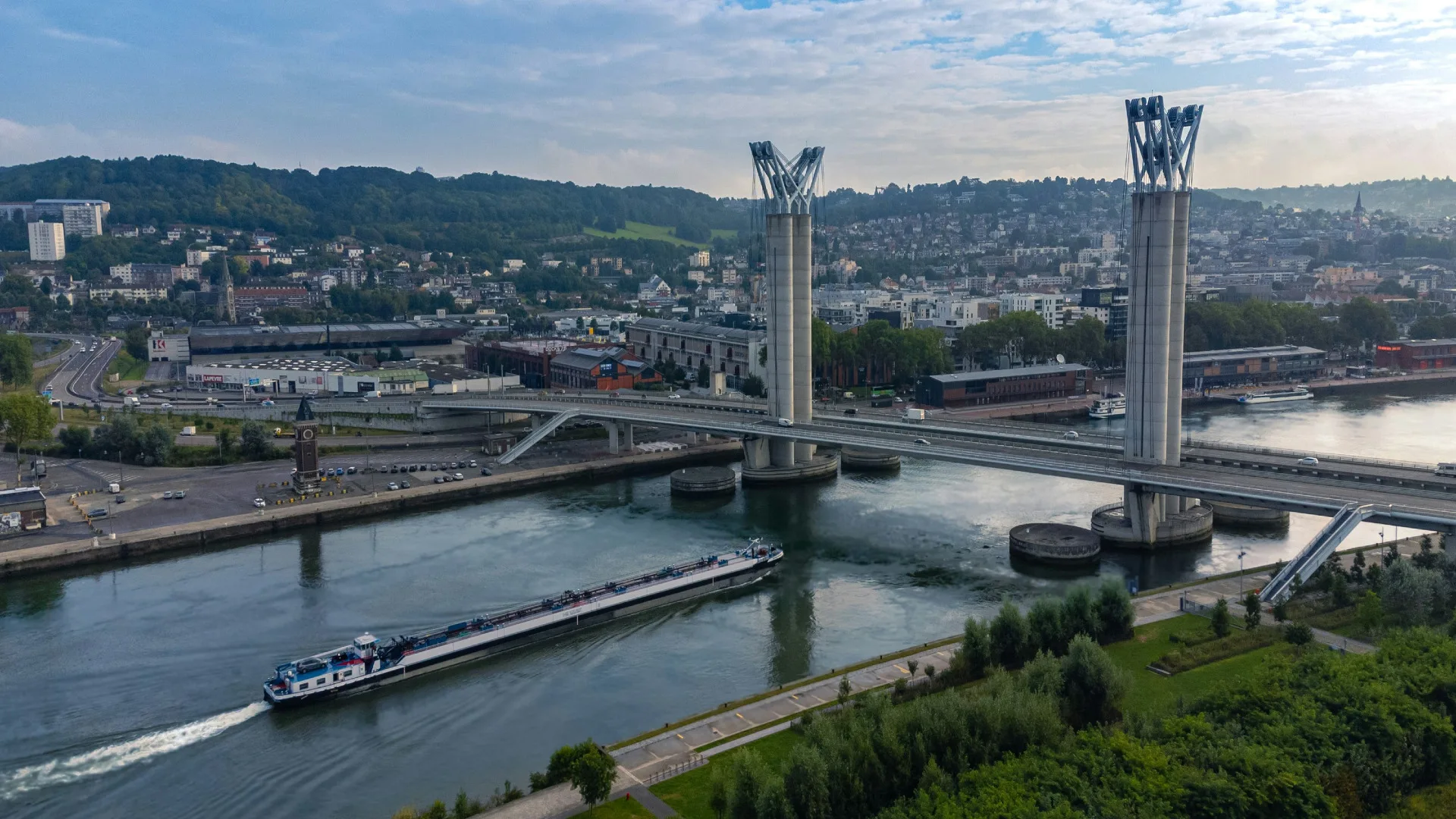
The Normandy Bridge, which you will cross on your journey, impresses with its elegance and engineering beauty.
At the time of its opening, it was the longest cable-stayed bridge in the world, with a total length of 2,141 meters and a central span of 856 meters.
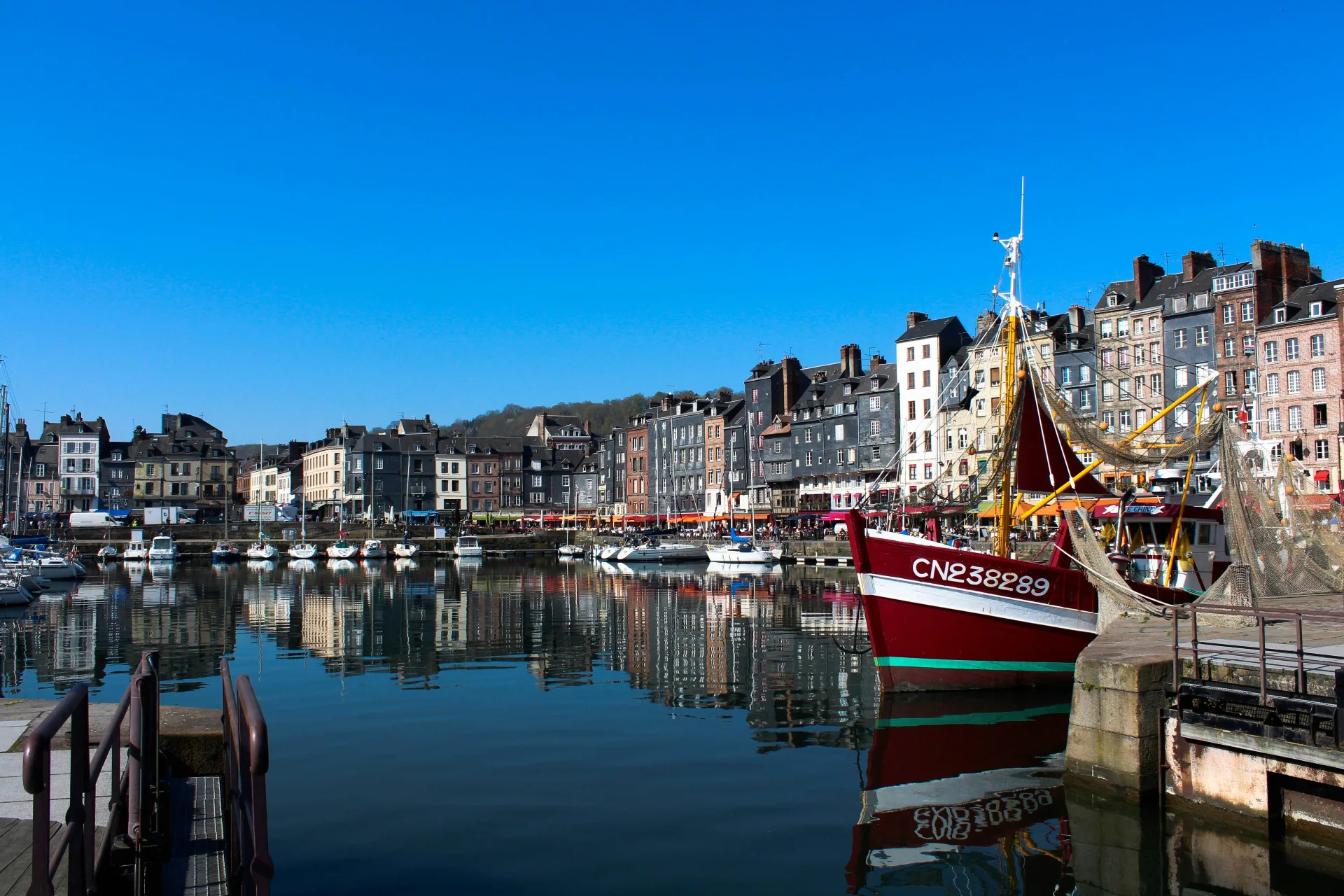
The Old Harbour is the heart and soul of Honfleur. The small marina is surrounded by narrow, colourful houses with tiled roofs and filled with sailing boats.
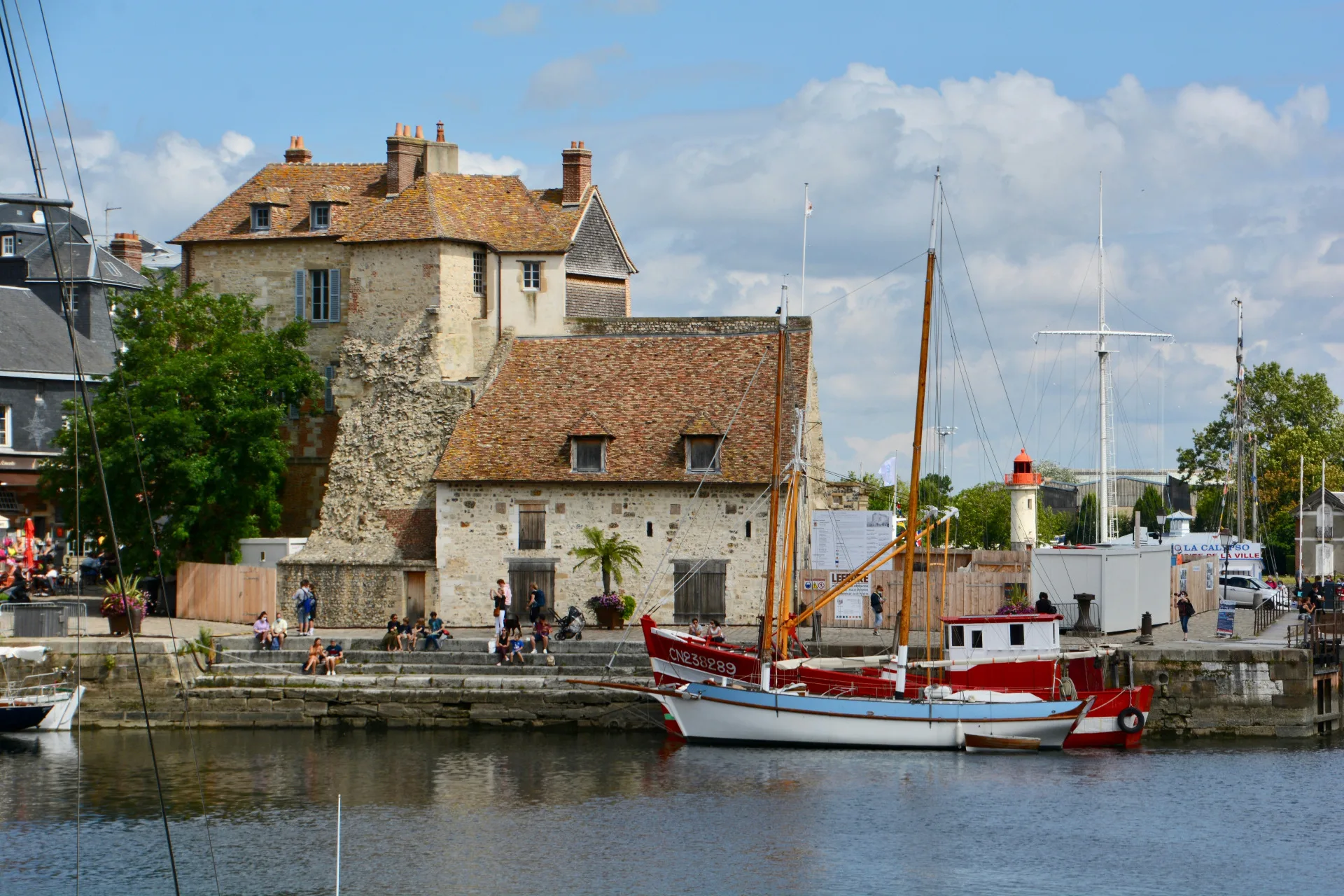
At the northern end of the harbour stands the historic building known as La Lieutenance, marking the entrance to the port.
Saint Catherine’s Church, built in the 15th and 16th centuries entirely from timber from nearby forests, is the largest wooden church in France.
Its unusual structure resembles the inverted double hull of a ship.
In one of the cozy local boutiques you will taste traditional Norman drinks.
Cider (4–6%), Pommeau — a blend of fresh apple juice and Calvados (16–18%), and of course Calvados itself — the famous apple brandy with a strength of around 40%.