

The quarter got its name from the marshes that the Templars began draining beginning in the 13th century.
By a fortunate coincidence, the quarter escaped destruction during the urban planning reforms of Paris's prefect, Baron Haussmann, so many ancient buildings and luxurious mansions, small narrow streets, and cozy squares remain, preserving the charm and splendor of bygone years. There are numerous cozy cafes and restaurants, clubs for gays, art galleries, souvenir boutiques...
We will outline the main stages of the tour, but the tour route itself and the choice of interior or exterior visits are at the guide's discretion:
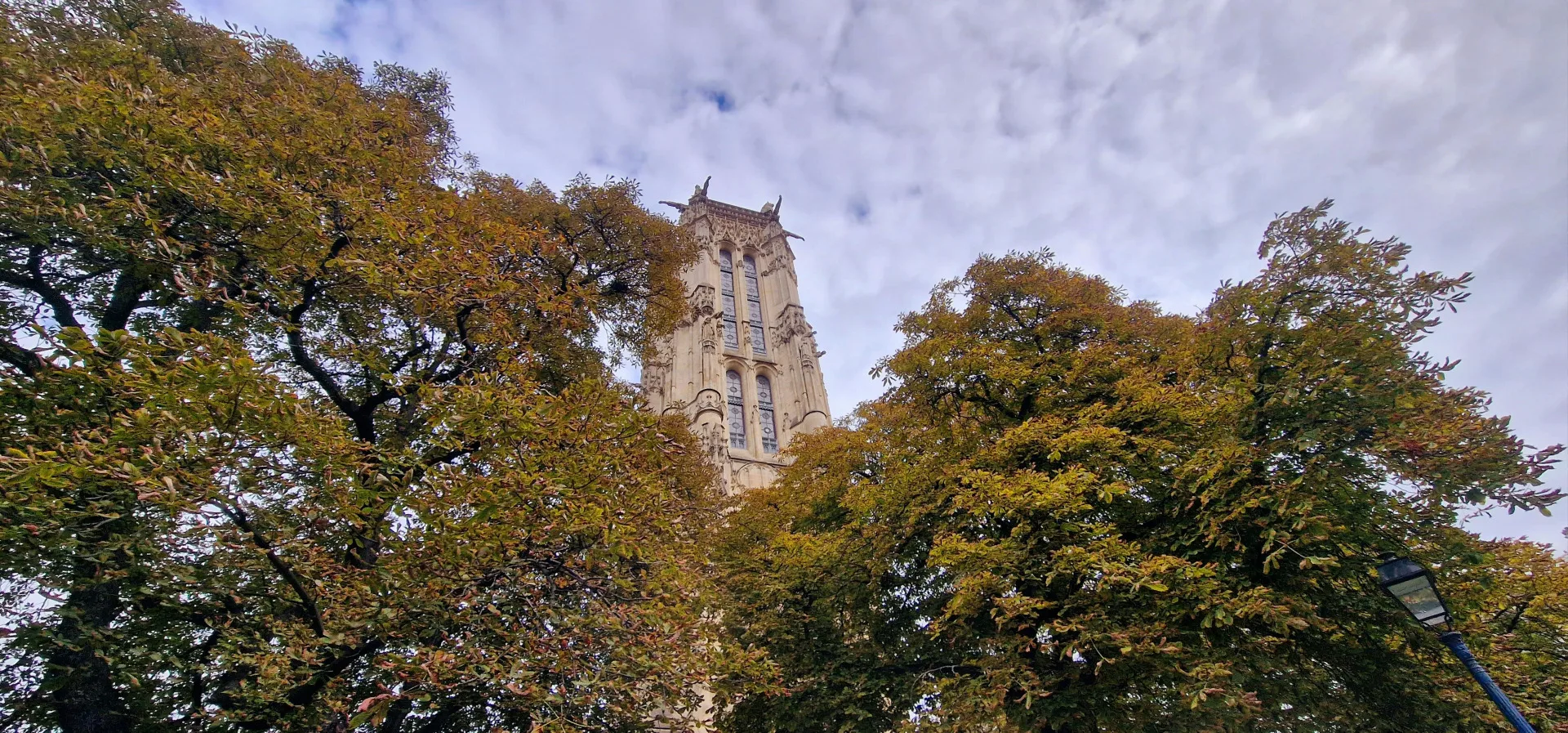
Since the Carolingian era, a large Romanesque church dedicated to Saint-Jacques once stood on the site of the present-day square between Rue de Rivoli and Rue Victoria.
For centuries this was a gathering place for pilgrims beginning their journey to Santiago de Compostela in Spain. The church was later rebuilt in the Gothic style, and between 1510 and the 1520s a bell tower in the Flamboyant Gothic style was constructed.
Today this magnificent tower is the only remaining part of the church, which was dismantled in 1797.
This street is associated with the world-famous writer J.K. Rowling, author of the books about the young wizard Harry Potter and his friends Ron Weasley and Hermione Granger, students at the Hogwarts School of Witchcraft and Wizardry.
The street is named after Nicolas Flamel, the legendary alchemist who, according to tradition, discovered the Philosopher’s Stone — a substance believed to grant eternal life and transform metals into gold.
The oldest monumental fountain in Paris and a true jewel of the Les Halles district. It was designed by architect Pierre Lescot and sculptor Jean Goujon.
Your guide will расскажет its history and explain why it bears such an unusual name.
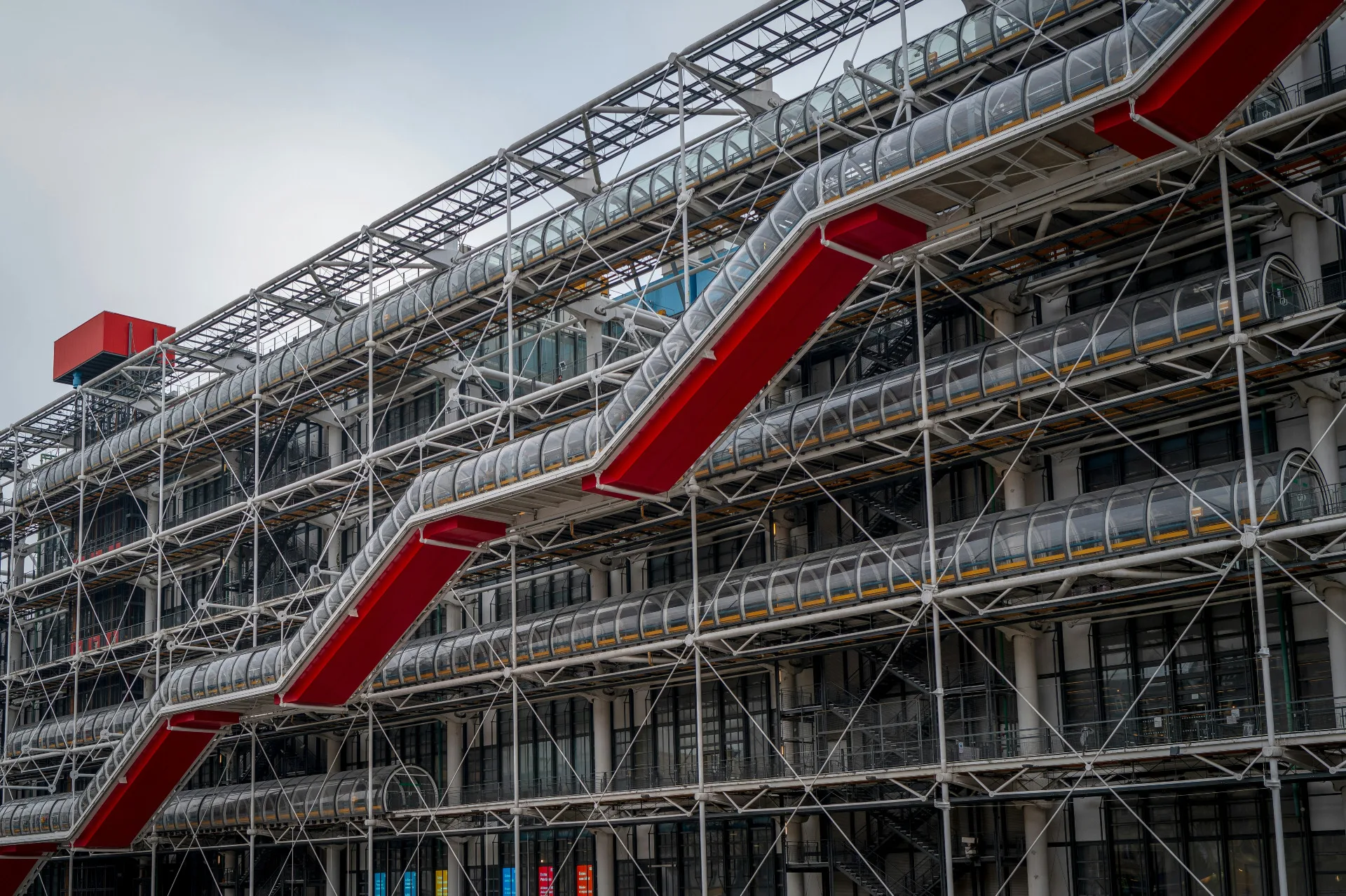
Perhaps the most unusual building in Paris, designed in a striking high-tech style where the interior space is almost entirely dedicated to art.
All technical systems — pipes, escalators, elevators and ventilation — are placed on the exterior of the building, becoming part of its unique façade. The pipes are color-coded:
blue for air,
green for water,
yellow for electricity,
red for elevators.
Parisians often refer to the building simply as Beaubourg.
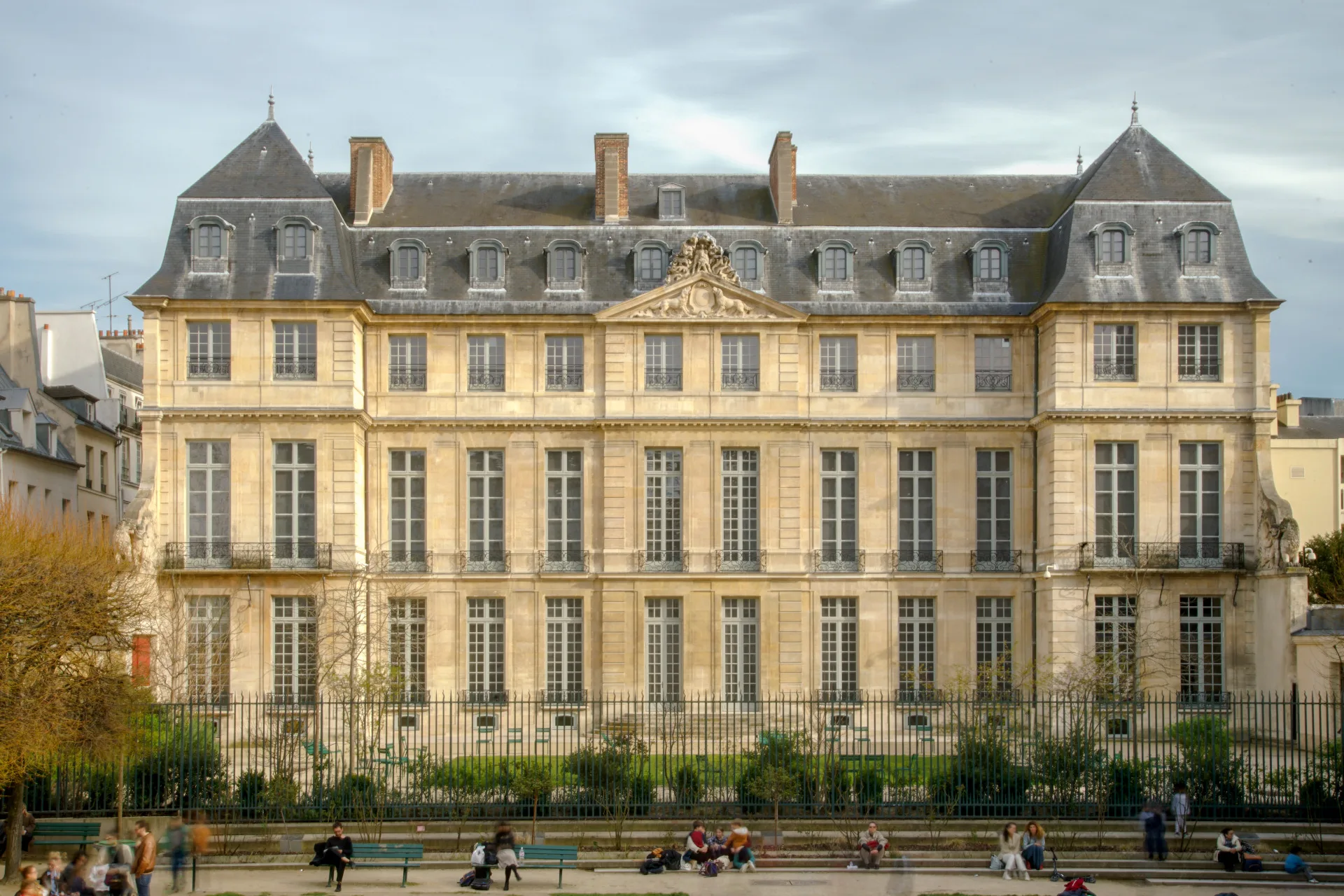
This museum is dedicated to the work of Pablo Picasso, the founder of Cubism, and displays an impressive collection of works from different periods of the artist’s life.
It also houses Picasso’s personal art collection, including works by Cézanne, Matisse, Henri Rousseau (“Le Douanier”), André Derain, Georges Braque, Joan Miró, as well as African art objects.
The museum visit is not included in this tour.
A fascinating museum dedicated to the history of Paris from ancient times to the 20th century. Its collection contains more than 610,000 exhibits.
Outside of this tour, you may visit the museum on your own — admission is free.
The museum visit is not included in this excursion.
By the late 19th and early 20th centuries, the area around Rue des Rosiers became home to many Jewish immigrants from Eastern Europe.
Much like in New York, they developed a thriving garment industry that became a hallmark of the neighborhood.
Today the street is also famous for its restaurants where you can taste some of the best falafel in Paris.
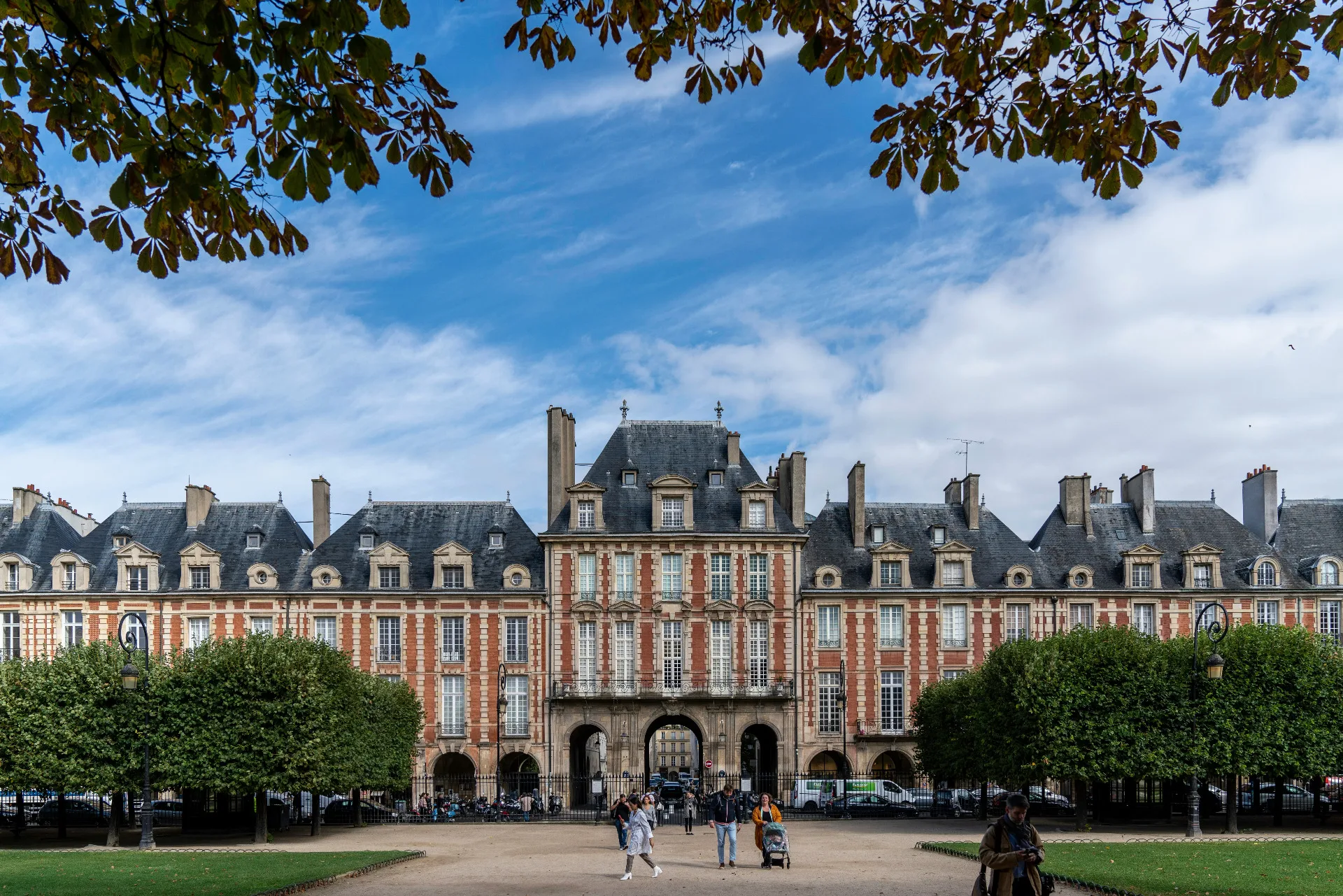
Perhaps the most charming and elegant square in Paris. It forms a perfect square measuring 140 meters on each side and is surrounded by 36 pavilions with red-brick façades and blue slate roofs.
Today Place des Vosges is a favorite spot for both Parisians and visitors, where one can stroll under the arcades or explore the art galleries, boutiques and cafés surrounding the square.
The house where the famous writer Victor Hugo once lived is located on Place des Vosges.
His former apartment has been transformed into a museum where visitors can explore the interiors and learn more about the life and work of the author.
The museum visit is not included in this tour.
This elegant mansion is named after Maximilien de Béthune, Marquis de Rosny and Duke of Sully (1560–1649), a minister of King Henry IV.
The building is generally closed to visitors except during the annual European Heritage Days.
This church takes us back into the history of Paris. It is known for its impressive dome and wall paintings by Eugène Delacroix.
Built between 1627 and 1641, it became the first Jesuit church in Paris, funded by King Louis XIII, and one of the earliest examples where the traditional Gothic style was replaced by Baroque architecture.
The church was inaugurated by Cardinal Richelieu. Madame de Sévigné, who was baptized here, later often returned to attend sermons.
Saint-Paul Village lies in the very heart of the Marais district, between Rue Saint-Antoine and the Seine.
It is a charming maze of narrow streets filled with more than 80 designer showrooms, antique shops and art galleries.
The Seine is one of the most iconic symbols of Paris and a beautiful place for a walk. Its riverbanks are listed as a UNESCO World Heritage site.
Many famous museums stand along the river, including the Louvre and the Musée d’Orsay.
Today the Seine’s banks are popular leisure areas with walking paths, open-air events and river cruises where visitors can enjoy panoramic views of Paris, listen to guided commentary or even have dinner on board.