

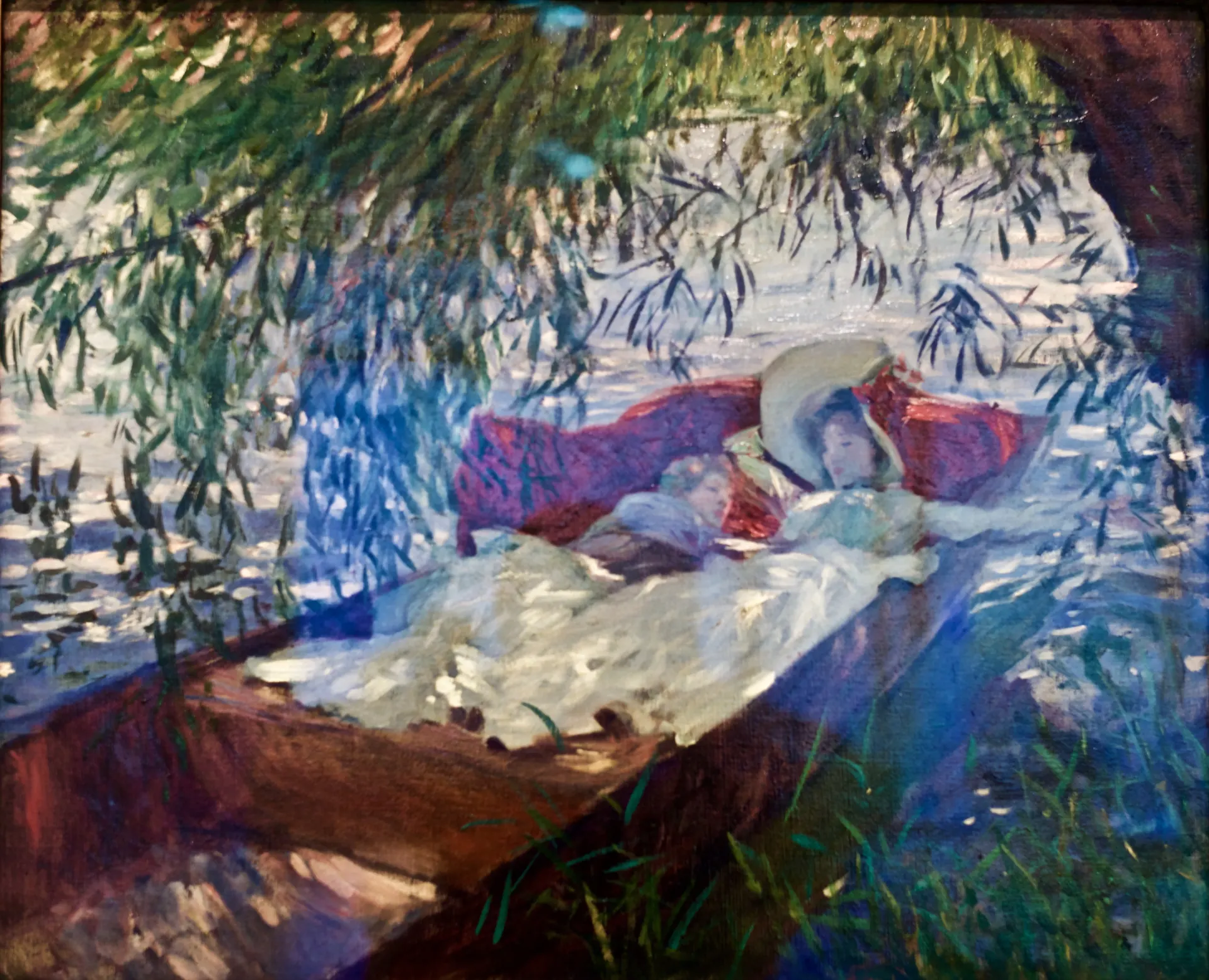
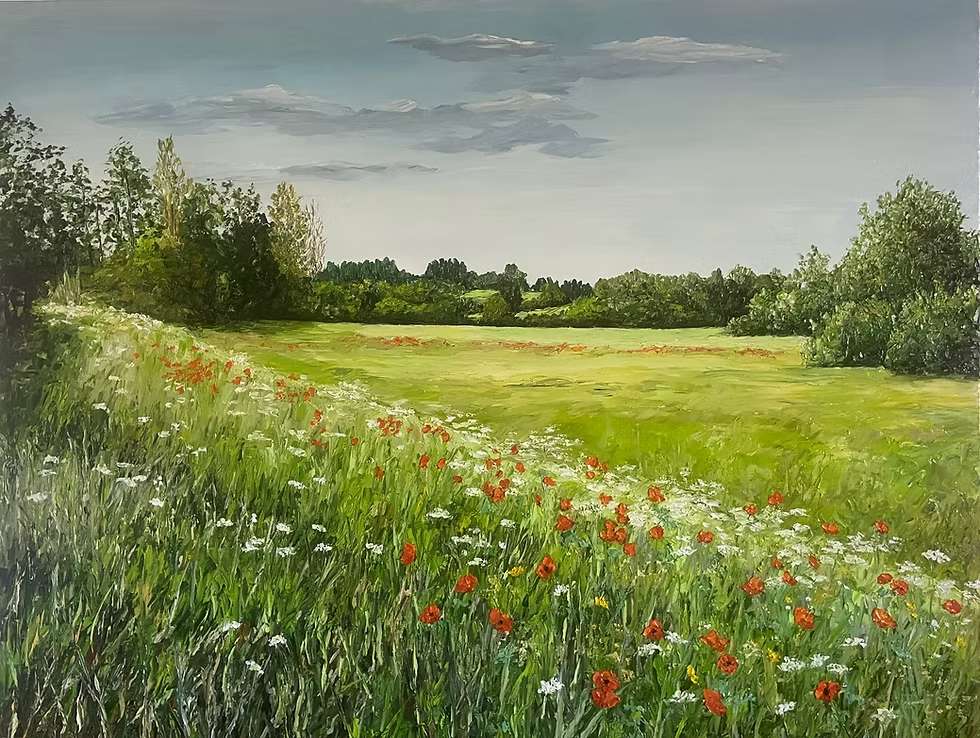
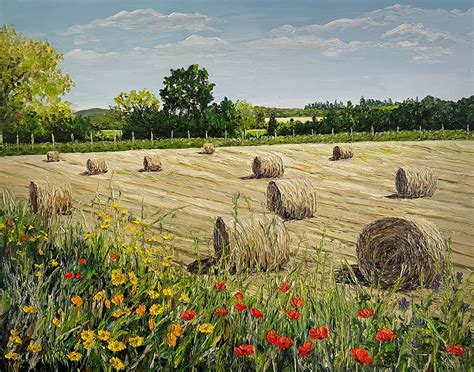
Imagine: early morning, mist still clinging to willow branches, the air filled with the scent of roses and damp earth. In this moment, as the world around you awakens, you step into the holy of holies – the famous gardens of Giverny, where the great Claude Monet found his paradise and gifted the world a new palette of light. This isn't just a tour of an artist's house; it's an immersion into his world, his feelings, into the very atmosphere that gave birth to masterpieces. You'll discover why it was here, in this quiet Norman village, that Monet created his immortal 'Water Lilies', and how every curve of the pond, every shadow on the water, was part of his grand design.
We'll set off in a comfortable car directly from Paris, bypassing the hustle and bustle of the metropolis, to arrive in a completely different dimension. Along the way, our guide will reveal several little-known stories about Monet's life, his character, and how he fought for every shade in his garden. Ask yourself, why did an artist obsessed with light spend the last years of his life rarely leaving his estate? Here lies a secret that we will unravel together, walking the same paths the master himself once trod.
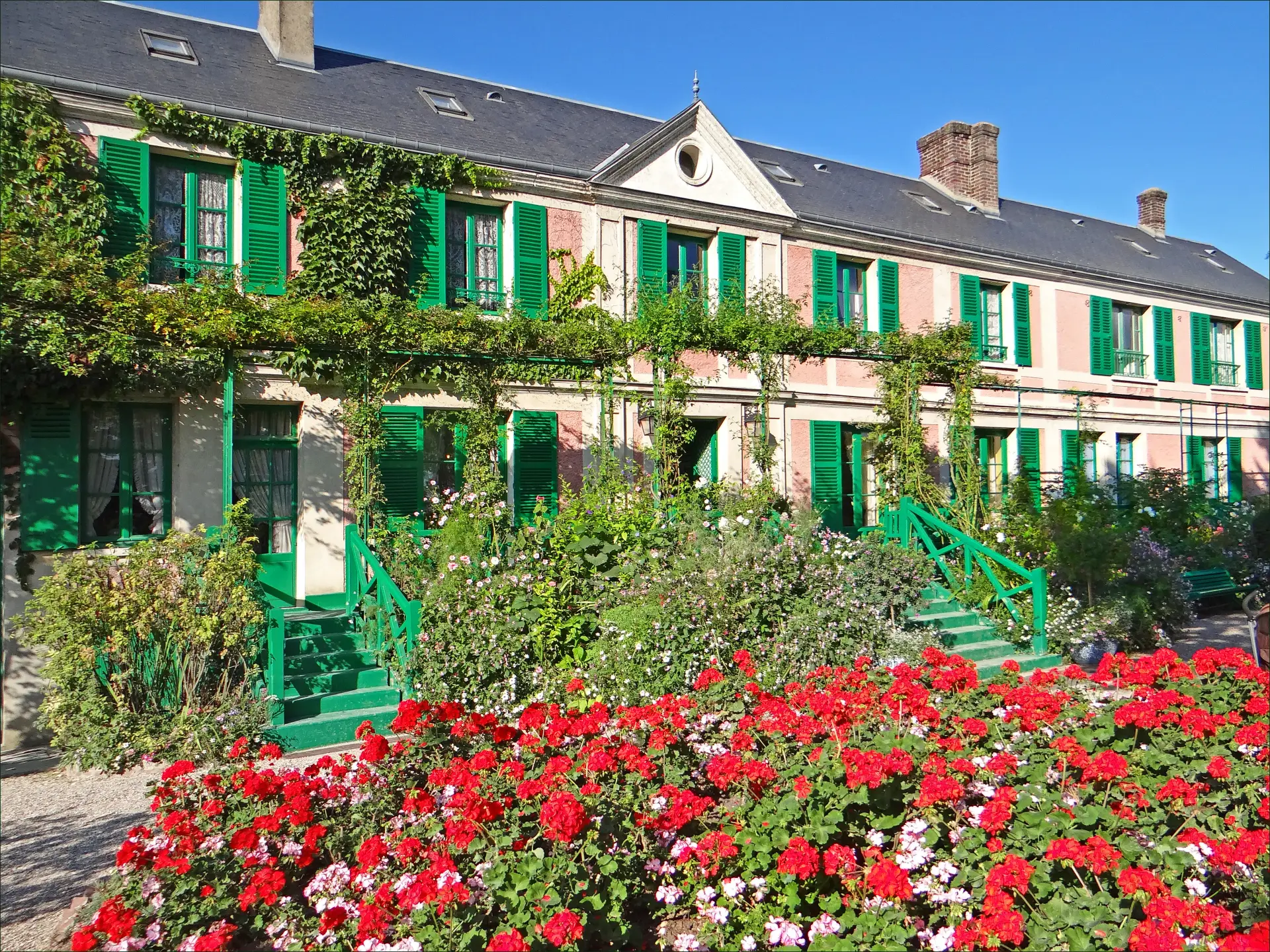
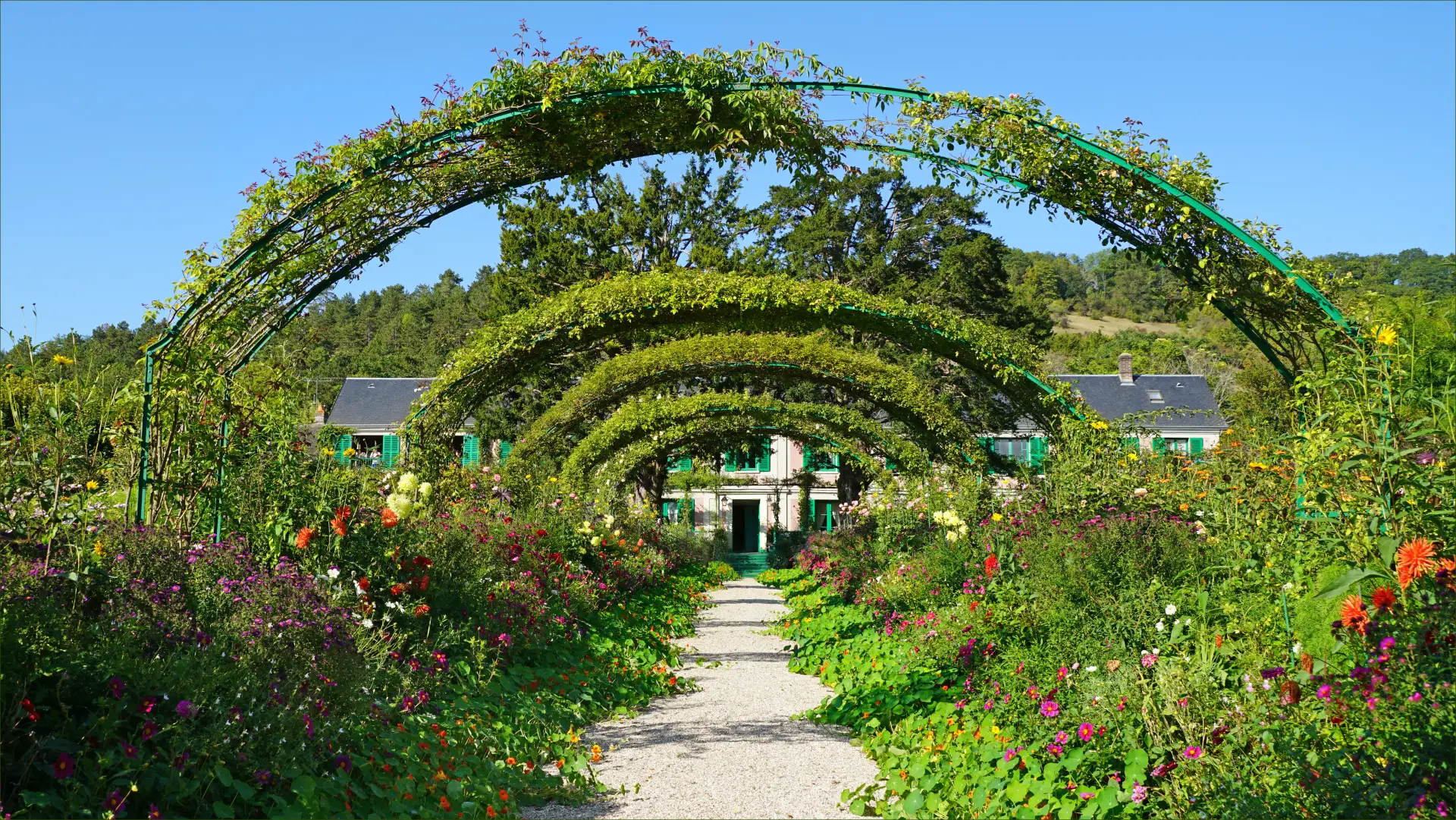
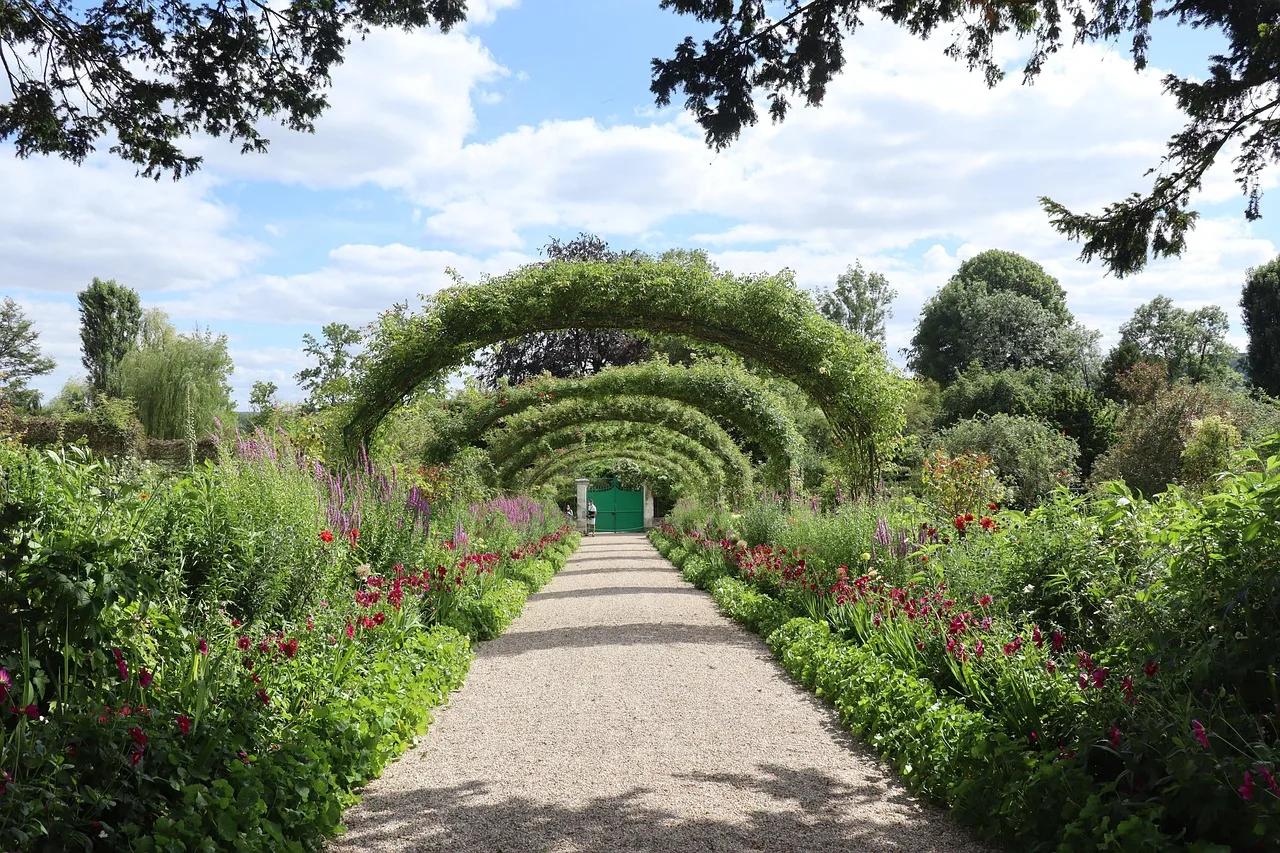
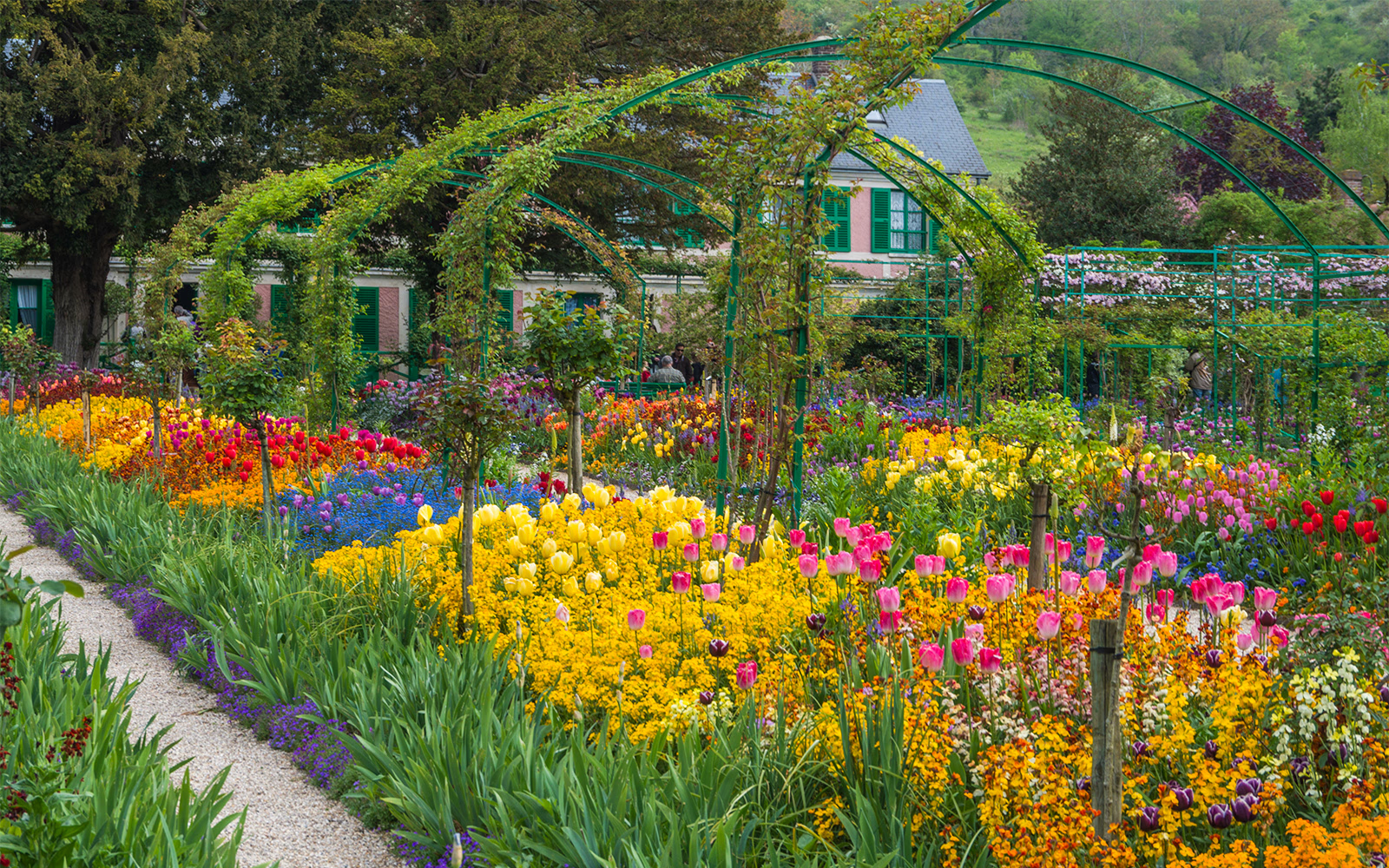
Our route will take us through two main parts of the garden: the Flower Garden, or Clos Normand, and the Water Garden. In the Flower Garden, sprawling before the house, you'll witness a riot of colors that Monet arranged with mathematical precision, like brushstrokes on a canvas. Few visitors notice how skillfully the plants here are chosen to create continuous bloom from spring to autumn, and how this influenced the perception of light in his works. We'll explore how Monet used perspective and volume to make his garden a living painting.
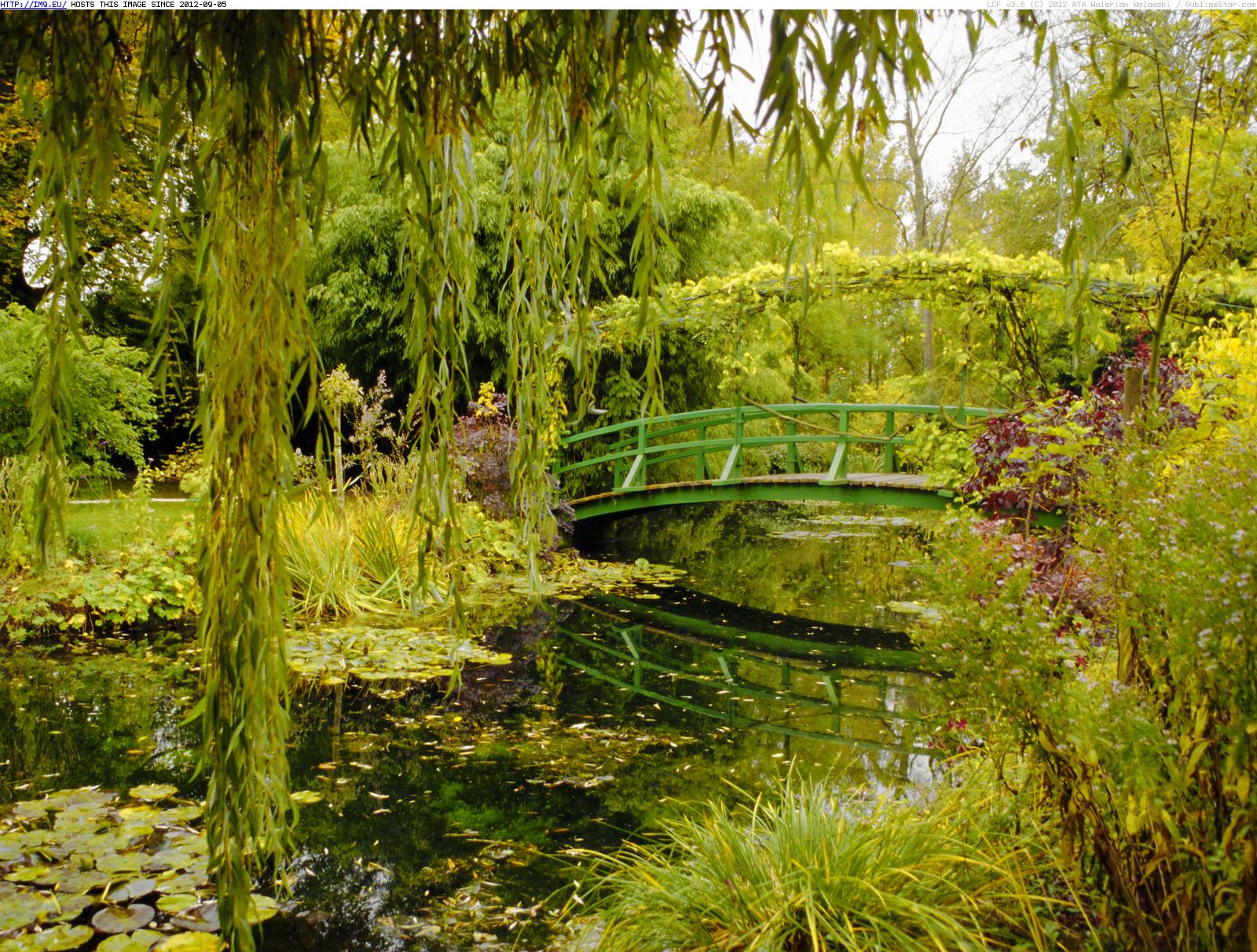
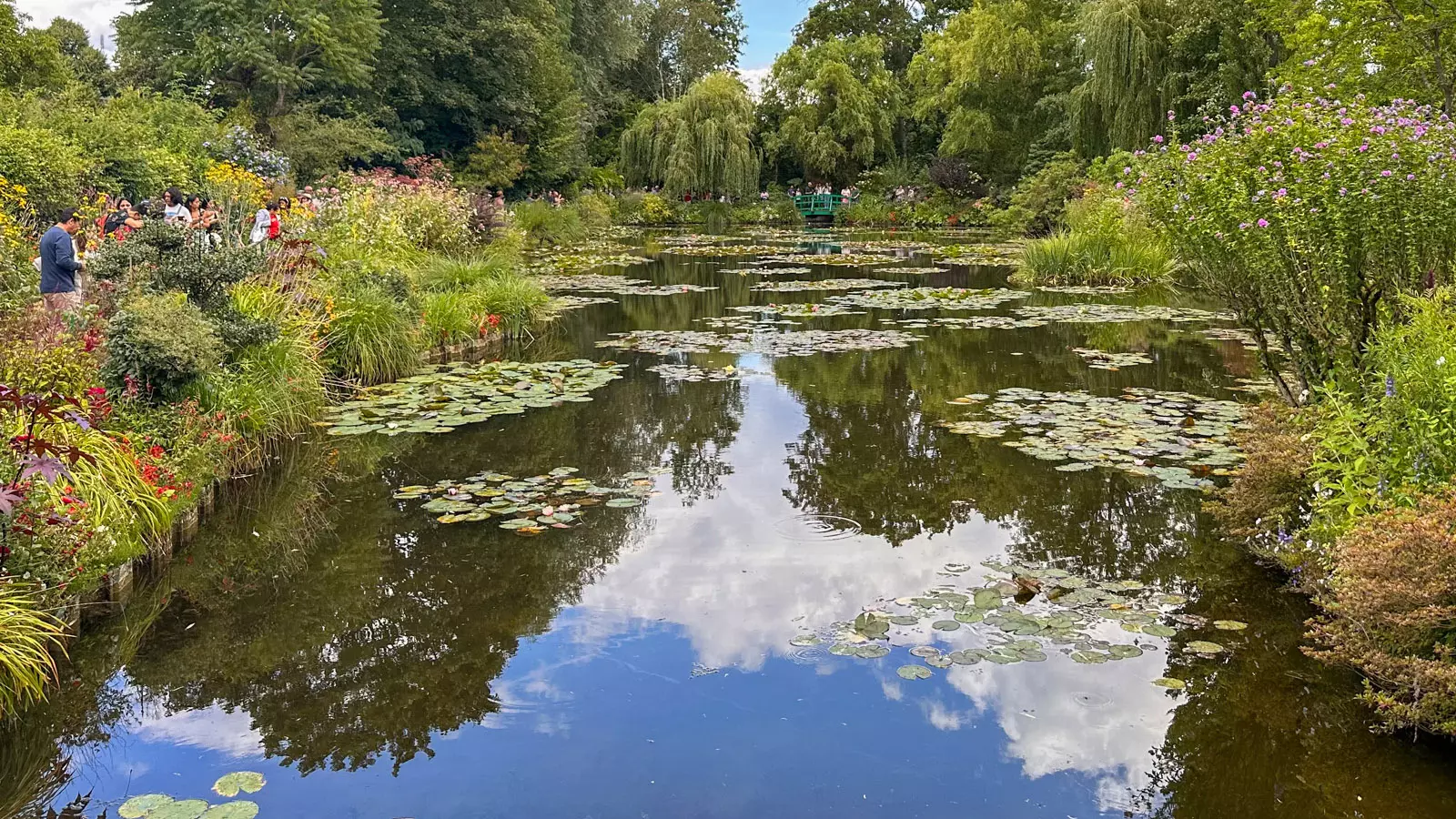
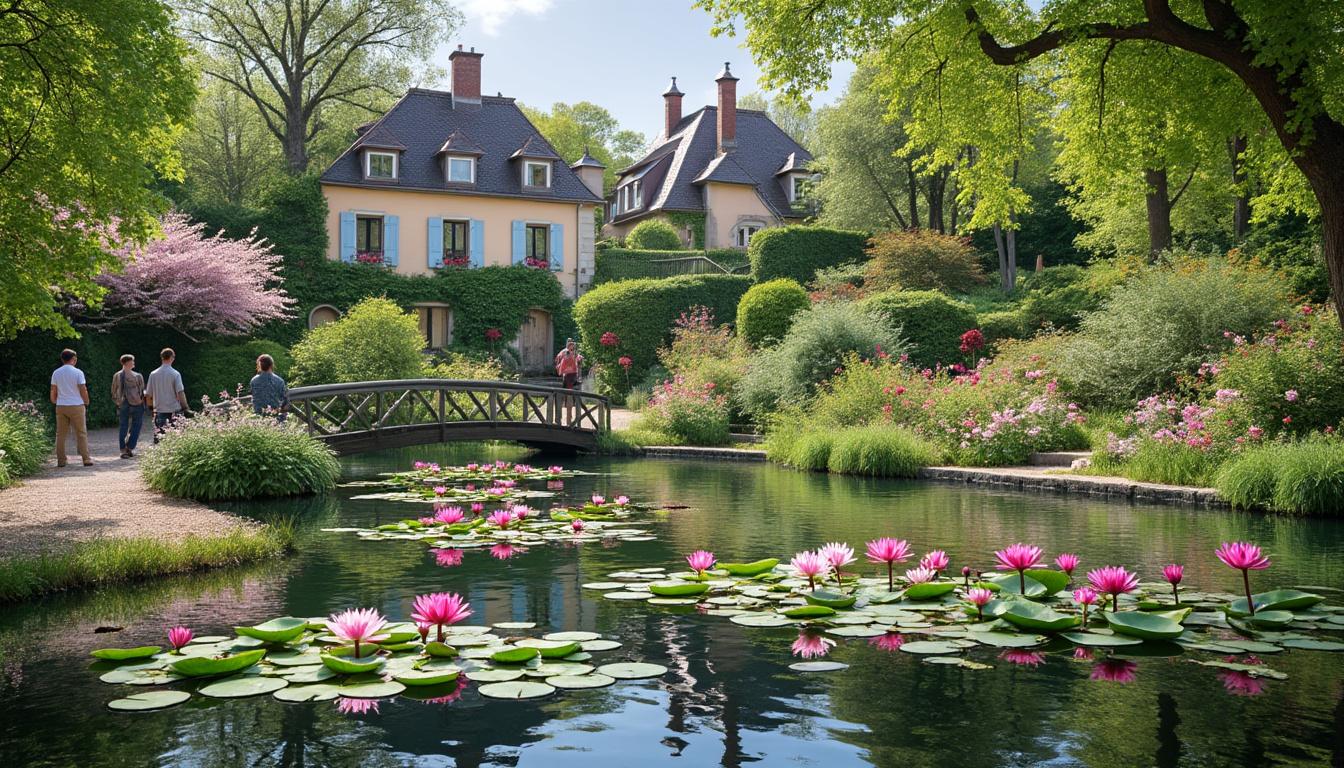
Then we'll move to the jewel of Giverny – the Water Garden with its famous Japanese Bridge and pond, overflowing with water lilies. Here lies Monet's secret: he didn't just paint nature; he created it. You'll discover how Monet managed to divert the course of the Epte River to create this pond, and how he personally oversaw every flower and every shadow on the water. We'll discuss why the Japanese Bridge, so exotic for Normandy, became an integral part of his French landscape, and how Eastern philosophy intertwined with Impressionism.
Equally fascinating will be a visit to Monet's house itself. Imagine: you cross the threshold and find yourself in the home where the artist lived and worked. The atmosphere of his daily life is preserved here: the blue-toned kitchen, the yellow dining room, and most importantly – his studio. After this place, you'll view his paintings differently, as you'll see the environment in which they were born, the colors that surrounded the artist in his everyday life. We'll tell you about his collections of Japanese prints hanging on the walls, and how they inspired Monet to create his unique compositions.
Beyond the gardens and house, we'll stroll through the village of Giverny itself, where time seems to have stood still. Many artists, followers of Monet, lived and worked here, creating a unique 'Impressionist colony.' We'll show you the places where they gathered and tell you about their contribution to art history. You'll discover how Giverny became not just a home for Monet, but an international center of artistic pilgrimage, attracting talents from all over the world.
This tour is not just a collection of facts; it's a journey deep into the artist's soul, an opportunity to feel what he felt standing by his pond. It's a chance to see the world through the eyes of an Impressionist, to capture elusive light, and to understand that true beauty lies in the fleeting moment. We promise that after this trip, you'll look at clouds, water, and the play of light and shadow differently. Join us to discover Giverny – a place where art was born, and nature became a canvas.
Leaving Parisian bustle behind, our comfortable car glides softly along Norman roads, carrying us into a world where time slows. The air here is already different, infused with the scents of damp earth and freshness. This is how, gradually, we approach Giverny, the very village that became not just a home for Claude Monet, but an entire universe. Prepare yourself, for around every bend here lies a piece of his inspiration.
We stand at the threshold. This is an entry into the holy of holies of Monet's creative soul, where every corner was created by his own design. Why did the artist so meticulously plan his surroundings? The answer lies in his desire for absolute control over his inspiration.
The vibrant hues of Clos Normand aren't nature's wild abandon, but a meticulously orchestrated symphony of shades, Monet's own creation. He spent countless hours here, literally immersing himself in every corner, perfecting each visual nuance. Local lore says Monet would watch light play on daisies or irises for hours before planting them. This living canvas shifted with seasons, each bloom precisely placed in his grand, evolving masterpiece. Here, ideas for his most iconic series took root.
Imagine walls that could speak. Claude Monet's house in Giverny preserves echoes of his life. We will step across the threshold to discover what Monet was like off the canvas, within his family, among his cherished possessions.
Tucked away at the top of a winding staircase, Claude Monet's most intimate space awaits. This is his bedroom, where he spent quiet nights, far from the easel's demands, and greeted the dawns that would later burst onto his canvases. Observe the unassuming furniture and the vibrant Japanese prints that, they say, truly sparked his imagination. Local lore suggests the specific light from this window offered him the first whispers of new masterpieces. Here, the great Impressionist was simply a man.
Claude Monet's dining room bursts with bright yellow walls, adorned by his cherished Japanese prints. Here, his large family once gathered around the sturdy table, each meal a vibrant celebration of life and flavour. Next door, the provincial kitchen still whispers tales of culinary adventure. Local lore says Monet himself hand-picked the freshest ingredients for his chef, Jean-Pierre, who then transformed them into dishes as artful as any brushstroke. A home truly alive with taste.
A faint scent of turpentine and linseed oil still lingers in the air, mingling with the aroma of aged wood. This spacious room, bathed in soft northern light, was the birthplace of Monet's most celebrated canvases. We'll step inside to discover the precise arrangement of his workspace, where he displayed his studies, and the very objects that sparked his genius. Local lore has it that he would often meditate here for hours before the canvas, contemplating his vision before a single brushstroke.
The Japanese bridge, draped in wisteria, whispers us into another dimension – a world where time slows, and every shade of water and sky swirls into a grand palette. This garden, Monet's living open-air workshop, was meticulously crafted, far more than just a landscape. Here, among the weeping willows and rustling bamboo, bloom the very water lilies that danced across hundreds of his canvases. We'll decode how he bent light and reflections, transforming this serene pond into a mirror of his very soul.
Amidst the emerald greenery and floating water lilies, this bridge feels like it has always been here. But it hasn't: Monet himself designed it, inspired by the Japanese prints he collected since youth. He even insisted the wood for its construction come from Normandy, not Asia, to maintain authenticity. Local lore has it the artist stood here for hours, observing the play of light on the water before transferring it to his canvases. Discover the secret this very spot holds.
Steps from the great master's home, in Giverny's vibrant heart, stands a building where Impressionism's legacy thrives. This museum, once the American, now the Museum of Impressionisms, showcases artists inspired by Monet and his contemporaries. You'll trace how ideas of light and color spread globally, influencing generations. Local lore has it some exhibits were discovered in truly unexpected spots. We'll uncover what truly links them to Monet.